The end products of the digestion of all ingested food and tissue breakdown are excreted by the kidneys along with minerals like sodium, calcium and magnesium. They are formed into crystalloids to be excreted through the urine. If there is insufficient fluid intake,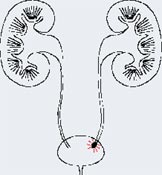 insufficient fiber content in the diet, excess protein food intake like meat, fish and poultry and a hereditary proneness to stone formation then these crystals may be separated from the urine and deposited on the inner surfaces of the kidney. insufficient fiber content in the diet, excess protein food intake like meat, fish and poultry and a hereditary proneness to stone formation then these crystals may be separated from the urine and deposited on the inner surfaces of the kidney. This can cause pain in the back or sides around the lower abdomen and may also spread to the groin. Another symptom is the need to urinate frequently and a burning sensation during urination. In an advance condition there may be nausea, vomiting and even blood in the urine.
Those residing in hot tropical climates are prone to develop urinary calculi. The occurrence of acute episodes of renal colic (kidney stone pain) is higher during hot rather than cold weather. During hot weather,
less urine is formed, as more water is lost through perspiration. It is also claimed that during hot weather with exposure to the
sun, more vitamin D is formed, which increases absorption of calcium from the gut and thus leads to increased urinary calcium excretion. In the tropics, a lot of fluid is lost through perspiration, and so crystals are easily precipitated in the scanty concentrated urine. If the daily volume of urine is over 2500 ml, stasis and concentration are avoided. The most common kidney stones are made up of oxalates, urates, or phosphates combined with calcium. About 75% of stones are composed of calcium oxalates, 10-12% contains some uric acid and 5% consists of pure uric acid.
Fluids & Food Management are the key principles
of treatment Stone formation is a gradual process and the tendency in a susceptible person persists through out life. If you have a history of stone formation in a blood relation or you have had a stone earlier you need to be vigilant always. The fundamental principle in the treatment of kidney stones is to ensure adequate water intake 2 and a half liters is the normal requirement. If you are living in a very hot place, if you are engaged in work such as farming, labour or walking on site or you are an athletes or player you may need anything between 3-4 liters of water per day. The best check is to see that the urine being passed is light in colour and atleast 2000ml is passed per day.
Normal quantities of any food along with a 10-12-glass water intake should not create a problem for most people. But if genetically, you have a family history of kidney stone or gout (uric acid) problem then you should be careful to restrict certain foods. It is useful to find out what kind of stone is being formed and then be specific
about the foods you avoid.
The most common stones are calcium oxalates or uric acid. Foods rich in oxalates, calcium and uric acid are as follows.
Oxalate - almonds, cashew nuts, peanuts, chocolates, cocoa, spinach, tomato strawberry, chickoo, custard apple, beef and tea.
Calcium - large amounts of milk, curd, cheese, paneer and milk cream, egg yolk, cauliflower, beans, potato, figs. 500ml milk or curd may be consumed per day but avoid all other milk products in which calcium is more concentrated. Calcium pills must not be consumed and foods to which vitamin D are added and antacid with calcium base must be avoided.
Uric acid- organ meats, kidney, liver, brain, beef, small fish, prawns, meat gravies, meat soups, spinach, French Beans, & Pulses - channa, rajma, moong, etc.
Alcohol - consumption must be very strictly restricted in the above conditions as it causes dehydration and worsens the condition.
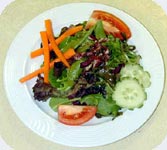
Fiber - High fiber diets with plenty of salads is seen to have a significant effect in controlling the precipitation of kidney stone. Those eating a lot of non - vegetarian food with a low vegetable and fruit intake are seen to be more prone to stone formation. Vegetables help to decrease urinary oxalate excretion while high protein intake increases urinary calcium excretion.
 People trying weight reduction by low carbohydrate and high protein diets-namely, Atkins diet, etc, can end up with kidney problems due to a build up of nitrogen and overworked kidneys. Those who do crash diets like G.M. diet, cabbage soup diet etc. has not only fat breakdown but also protein and muscle breakdown and these waste products again overload the kidney and cause problems. People trying weight reduction by low carbohydrate and high protein diets-namely, Atkins diet, etc, can end up with kidney problems due to a build up of nitrogen and overworked kidneys. Those who do crash diets like G.M. diet, cabbage soup diet etc. has not only fat breakdown but also protein and muscle breakdown and these waste products again overload the kidney and cause problems.
Young sports people who eat large quantities of chicken and other protein foods
or take protein supplements without proper medical super vision can have a kidney problem. As Sports Nutritionist, in the National
Cricket Academy, we have found out of 25 boys atleast 10-12 boys showed high blood urea and uric acid levels which could be because
of insufficient water intake and high consumption of chicken.
Also those who take large doses of vitamin and mineral supplements like Vit C,
zinc, calcium etc. can over tax the kidney. |